The essentials
- Les huiles apportent hydratation, nutrition et protection aux cheveux bouclés.
- L'huile de jojoba imite le sébum naturel sans alourdir, idéale pour les cheveux fins.
- L'huile de ricin est réputée stimuler la circulation sanguine du cuir chevelu et favoriser la croissance.
- Un bain d'huile se laisse poser au moins 30 minutes sous une serviette chaude ou toute une nuit.
- Les huiles essentielles doivent toujours être diluées dans une huile végétale avant application.
Curly hair is often prone to dryness and frizz, which makes it a real challenge to master on a daily basis. Using specific oils can deeply moisturize your curls, stimulate growth and reduce breakage.
Discover the best types of oils for your curls, personalized application tips and tricks for incorporating these oils into your hair routine without weighing them down.
Benefits of oils for curly hair
Les huiles apportent hydratation, nutrition et protection aux cheveux bouclés. Voici les bénéfices principaux pour vos boucles.
Le bain d'huile est un soin capillaire qui consiste à appliquer une huile tiède généreusement sur l'ensemble de la tête, des racines aux pointes, à masser doucement le cuir chevelu puis à laisser poser sous une serviette chaude ou un bonnet au moins 30 minutes, ou toute une nuit pour une hydratation profonde, avant de rincer à l'eau tiède et de shampooiner en douceur.
- Hydratation renforcée : les huiles de jojoba ou de coco pénètrent la fibre capillaire et apportent l'hydratation nécessaire à des boucles souples. C'est crucial pour les cheveux bouclés, plus secs et qui captent vite l'humidité de l'air, d'où les frisottis.
- Réduction des frisottis : en scellant l'hydratation, les huiles forment une barrière protectrice autour de la cuticule. Les écailles se lissent, les frisottis diminuent et les boucles restent définies et moins emmêlées.
- Stimulation de la pousse : l'huile de ricin est réputée stimuler la circulation sanguine du cuir chevelu et favoriser la croissance. En nourrissant et en fortifiant les racines, ces huiles limitent aussi la casse.
- Nutrition et fortification : riches en acides gras et en vitamines, elles nourrissent le cheveu de l'intérieur. Elles aident à réparer les dommages des traitements chimiques, de la chaleur et des agressions environnementales, de la racine aux pointes.
- Protection contre les agressions : en formant un film autour de chaque mèche, les huiles protègent du soleil, du vent et de la pollution. Cette couche préserve aussi la couleur et la structure des cheveux bouclés, souvent plus vulnérables.
Intégrez les huiles à votre routine pour offrir à vos boucles un soin complet. Choisissez des huiles adaptées à votre type de cheveu et à vos besoins, et appliquez-les régulièrement.
Understanding the general benefits of perfect oils for curly hair is an excellent starting point, but it’s just as crucial to know how to choose the right oil for your specific needs. Each type of oil has unique properties that can target specific problems or enhance certain qualities of your curls.
Choisir la bonne huile : optez pour des huiles légères si vos cheveux sont fins ou regraissent vite. L'huile de jojoba imite le sébum naturel sans alourdir. Pour les cheveux épais ou très secs, l'huile de coco ou d'avocat apporte une hydratation intense et protège de la casse.
Fréquence d'application : appliquez une petite quantité une à deux fois par semaine. L'excès alourdit et ternit les cheveux. Si vos cheveux sont très secs, augmentez progressivement la fréquence en observant leur réaction.
Mode d'application :
- Sur cheveux humides : appliquez l'huile sur cheveux légèrement humides pour sceller l'hydratation. Concentrez-vous sur les longueurs et les pointes, plus sèches et sujettes à la casse.
- En soin de nuit : pour une hydratation profonde, appliquez l'huile avant de dormir. Enveloppez dans un bonnet de douche ou une serviette pour maximiser l'absorption, puis rincez le matin.
Intégrer l'huile à votre routine sans perturber les autres produits : après le lavage, appliquez l'huile puis vos crèmes ou gels coiffants habituels. Vous créez une barrière protectrice et définissez les boucles sans les alourdir.
Surveiller les signes de surcharge : une sensation de lourdeur ou de gras indique que vos cheveux n'absorbent plus l'huile. Espacez alors les applications ou réduisez les quantités.
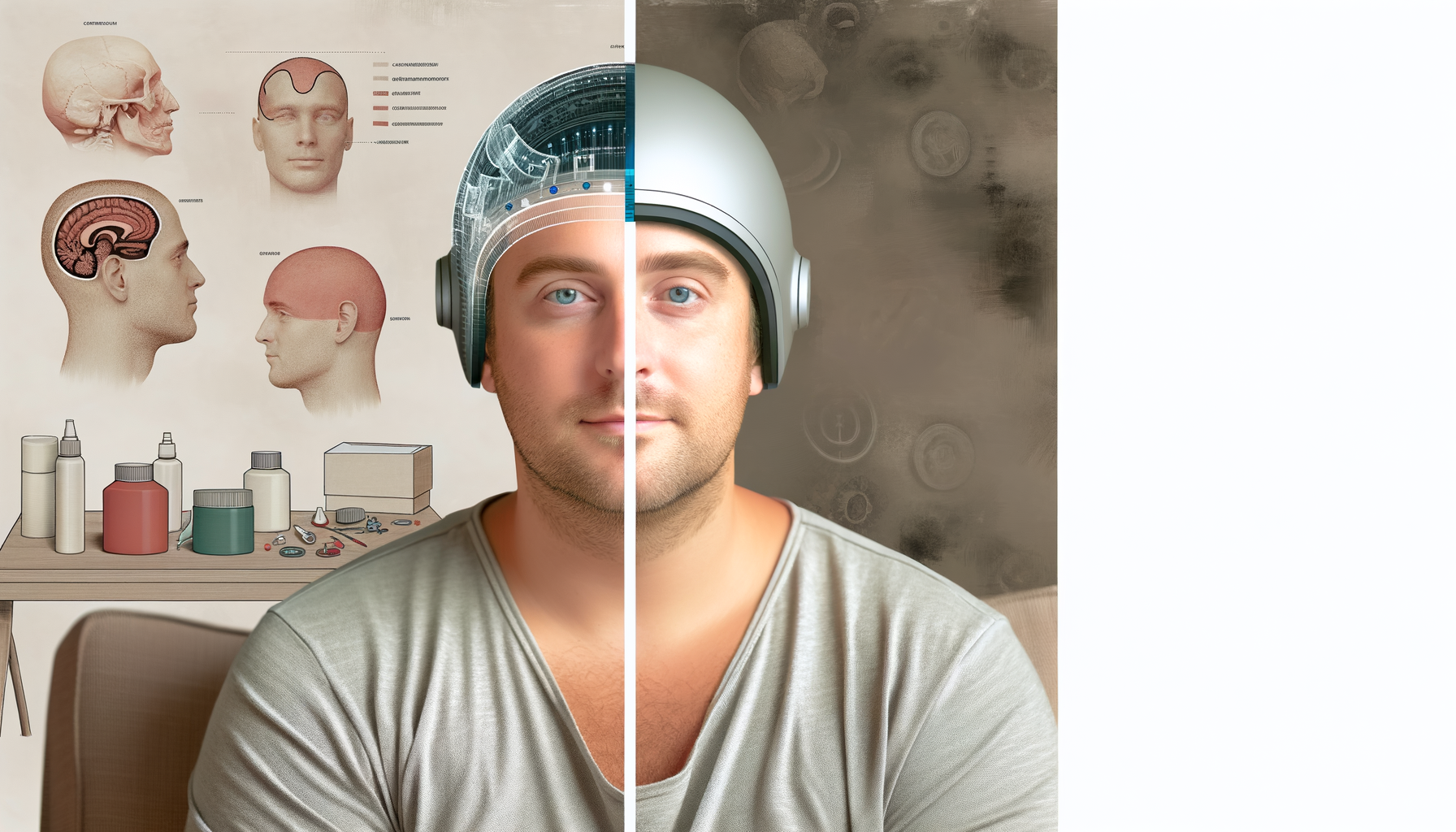
Pour compléter l'action fortifiante des huiles sur les racines, un casque LED contre la chute de cheveux peut s'intégrer à la routine capillaire.
Types of oils and their specific benefits
Each oil brings specific benefits to curly hair.
- Jojoba oil: close to the scalp's natural sebum, it moisturizes without weighing hair down. It maintains natural moisture levels and forms a protective barrier against external aggressions, with no greasy residue.
- Coconut oil: deeply nourishing, it revitalizes very dry, damaged hair by penetrating the fiber to restructure and strengthen it from within. It can be too heavy for bleached or very fine hair, which it may dry out further.
- Argan oil: rich in vitamin E and essential fatty acids, this intense moisturizer fights frizz and adds shine and softness to curls.
- Castor oil: rich in fatty acids and vitamin E, it stimulates hair growth. Its thick texture sheaths hair, making it thicker and less likely to break; in an oil bath, it improves overall scalp and hair health.
Test each oil in small quantities to see how your hair reacts before making it a full part of your routine.
Oil application methods
Apply oils correctly and a dry, curly mane becomes moisturized and defined. Here are the effective ways to work them into your routine.
| Type de cheveux | Huiles conseillées | Bénéfice principal |
|---|---|---|
| Cheveux fins | Huile de jojoba, huile de chanvre, huile de macadamia | Hydratent et nourrissent sans résidu gras, préservent le volume et la légèreté |
| Cheveux épais ou très secs | Huile de coco, huile d'avocat | Hydratation intense et protection contre la casse |
| Cheveux épais ou frisés | Beurre de karité, huile de brocoli | Hydratation profonde, redéfinition des boucles et fortification |
| Cheveux très secs ou abîmés | Huile de coco, huile d'avocat | Pénètrent la fibre pour réparer et revitaliser |
| Tous types de cheveux | Huile d'argan | Hydrate, nourrit et apporte de la brillance sans être trop lourde |
Oil bath. Apply warm oil generously to the whole head, from roots to ends, and massage gently to stimulate the scalp. Leave on under a warm towel or cap for at least 30 minutes, or overnight for deep hydration, then rinse with lukewarm water and shampoo gently.
Daily application to ends. Apply a small amount of oil to the ends every day to prevent split ends and breakage, on dry or damp hair as you prefer. This method is particularly useful for long, curly hair.
Mask or moisturizing spray. For deep conditioning, mix your favorite oil with nourishing ingredients like honey or aloe vera, apply to damp hair, leave on for at least an hour, then rinse. Alternatively, dilute the oil with water in a spray bottle and spray onto damp hair to detangle and define curls before styling.
After washing, on damp hair. Wet hair is more receptive to moisture, so the oil penetrates the fiber more effectively. Apply to mid-lengths and ends to seal in moisture and prevent frizz.
Before using heated tools. Apply a small amount of oil first if you use a hair dryer, curling iron or other heated tool. It protects your hair from the heat and keeps curls defined and shiny.
At night, as an intensive treatment. Apply a generous amount before going to bed, wrap hair in a shower cap or towel to avoid staining your pillow, and leave on overnight.
Between washes, to revitalize curls. On unwashed days, a small amount of oil brings back life and shine while controlling frizz.
Frequency depends on how dry your hair is and how it reacts to oils: start with a weekly application and adjust to your hair's needs. Identifying the oil best suited to your curl type is crucial to the results.
Entre deux lavages, un shampooing sec bio pour cheveux frais complète parfaitement une routine où l'huile revitalise les boucles.
“Toujours commencer par de petites quantités pour tester la réaction de ses cheveux et ajuster selon les résultats.”
Appliquez les huiles correctement, sur cheveux humides, en bain d'huile ou en soin de nuit, et une crinière bouclée sèche devient hydratée et définie.
Choosing the right oil for curly hair
Selecting the right oil for your curly hair type is essential to maximize the benefits without weighing down your curls. Choose according to your hair type.
For fine hair: opt for lightweight oils that won't weigh hair down. Hemp oil and macadamia oil moisturize and nourish without leaving a greasy residue, helping to maintain volume and lightness. Apply a few drops to ends and lengths, never directly to roots to avoid greasing the scalp.
For thick or frizzy hair: these hair types benefit from richer, more nourishing oils. Shea butter deeply moisturizes and redefines curls, while vitamin-rich broccoli oil helps fortify hair and repair damage. Use them in an oil bath or mask before shampooing for intense nourishment.
For very dry or damaged hair: coconut oil and avocado oil penetrate deep into the hair fiber to repair and revitalize it. Apply to damp hair for better absorption and wrap your hair in a warm towel for a deep treatment.
For all hair types: argan oil, often called 'liquid gold', moisturizes, nourishes and adds shine without being too heavy. It is particularly useful for combating frizz and protecting hair from external aggressions.
Always start with small quantities to test your hair's reaction and adjust according to the results.
Les besoins capillaires évoluant selon les périodes de la vie, le lien entre grossesse et chute de cheveux aide à adapter le choix de l'huile.
Using essential oils to energize curls
Concentrated and powerful, essential oils can help revitalize and define curls, provided you follow a few precautions to avoid irritation.
Always dilute essential oils. Never apply them directly to the scalp or hair: dilute them in a vegetable oil to moderate their intensity and make application easier. A good rule of thumb is a few drops of essential oil in a tablespoon of vegetable oil such as jojoba or sweet almond oil.
- Rosemary: ideal for stimulating hair growth, it promotes blood circulation to the scalp, which can help strengthen roots and encourage healthy growth.
- Ylang-ylang: known for its revitalizing properties, it helps redefine curls and increase their elasticity, making them more defined and less prone to breakage.
- As a pre-shampoo mask: mix diluted essential oil with your basic plant oil and apply to dry hair. Leave on for at least 30 minutes before washing so the nutrients penetrate deeply.
- Daily spray: dilute a few drops of essential oil in water and spray lightly on your curls to refresh and moisturize, especially on days when your hair looks dull or dehydrated.
Cautions. Essential oils are powerful and can cause allergic reactions in some people, so always carry out a skin test before using them regularly. Some, such as lemon or cedar, can be photosensitizing: avoid exposure to the sun after application.
How to get beautiful curls with oils
To transform your curly hair into a defined, resplendent head of hair thanks to oils, it’s essential to choose the right products and adopt the appropriate techniques. Here’s how:
1. Select the right oil for your hair type: As mentioned above, each type of curly hair reacts differently to oils. Fine hair will benefit from light oils like jojoba or macadamia oil, while thick or very dry hair will appreciate the nourishing properties of coconut or avocado oil. Test to find the one that best suits your curls.
2. Apply oil correctly: To maximize the benefits, apply the oil to damp hair. This helps seal in moisture. Start with the ends, which are often the driest, and work up to the roots if necessary, but avoid the scalp to avoid weighing hair down.
3. Use a wide-tooth comb: After applying the oil, detangle your hair with a wide-tooth comb. This helps distribute the oil evenly without breaking curls.
4. Define your curls: For well-defined curls, apply a small amount of oil to your hands, rub them together and scrunch (squeeze) your hair from bottom to top. This encourages the formation of natural curls without weighing them down.
5. Let hair air-dry: Avoid excessive blow-drying. Letting your hair dry naturally is often the best way to preserve the shape and health of your curls. If you must use a hairdryer, opt for a diffuser and set it on low heat.
6. Nourish regularly: Curly hair benefits from regular moisturizing. Incorporate an oil treatment, such as a weekly oil bath, to keep your hair nourished and your curls elastic.
By following these steps, you can not only improve the appearance of your curls, but also their overall health. Oils are invaluable allies for curly hair, offering protection, hydration and shine, while helping to define and maintain beautiful curls.

How this magazine is written
Articles in Bien Être Forme Minceur are written by the editorial team and reviewed by Clémence Noël, editor-in-chief, before publication. They offer general information on beauty care and do not replace advice from a doctor, dermatologist or pharmacist.
Our methodYour questions
Quels sont les bénéfices des huiles pour les cheveux bouclés ?
Les huiles apportent hydratation, nutrition et protection aux cheveux bouclés. En scellant l'hydratation, elles forment une barrière protectrice autour de la cuticule qui réduit les frisottis et laisse les boucles définies et moins emmêlées.
Comment appliquer une huile sur cheveux bouclés ?
Appliquez l'huile sur cheveux légèrement humides pour sceller l'hydratation, en vous concentrant sur les longueurs et les pointes. Pour une hydratation profonde, appliquez-la avant de dormir, enveloppez dans un bonnet de douche ou une serviette, puis rincez le matin.
Quelle huile choisir pour des cheveux fins ?
Optez pour des huiles légères qui n'alourdissent pas les cheveux, comme l'huile de chanvre et l'huile de macadamia. Appliquez quelques gouttes sur les pointes et les longueurs, jamais directement sur les racines pour éviter de graisser le cuir chevelu.
Peut-on appliquer une huile essentielle directement sur le cuir chevelu ?
Non, il ne faut jamais appliquer les huiles essentielles directement sur le cuir chevelu ou les cheveux : diluez-les dans une huile végétale pour modérer leur intensité. Certaines, comme le citron ou le cèdre, peuvent être photosensibilisantes, il faut donc éviter l'exposition au soleil après application.